How to Maintain Your Truck in Winter?

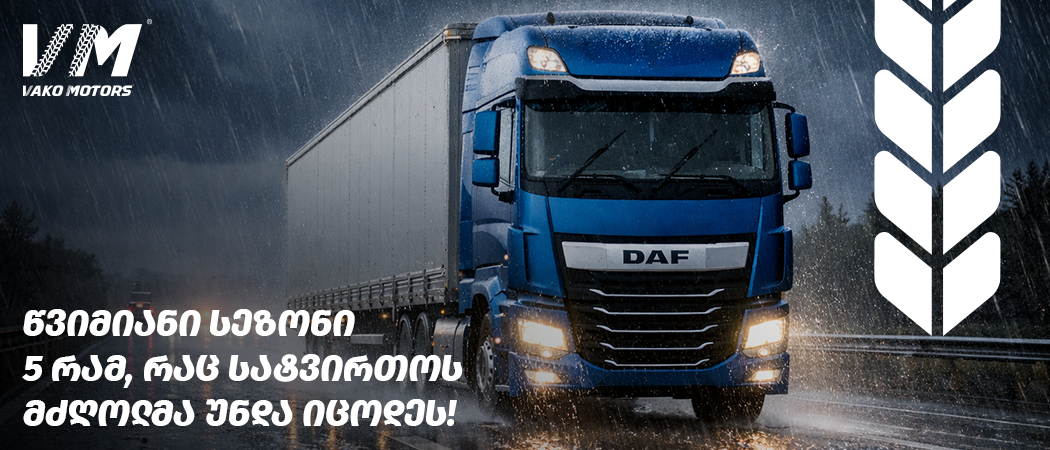
Winter is the toughest season for a truck. In cold weather, battery efficiency and tire grip decrease, fuel consumption increases, and the risk of air system freezing becomes higher.
To avoid these challenges, here are a few tips on how to maintain your truck in winter so that your transportation process remains safe and uninterrupted.
- First of all, make sure you have a new battery and a properly functioning electrical system.
- Check the diesel fuel system, engine oil, and filters: at low temperatures, paraffin crystals may form in diesel fuel and reduce fuel flow.
- Air and braking systems, ABS/EBS: in winter, due to moisture, air can freeze inside the lines, valves may get damaged, and braking can become unstable.
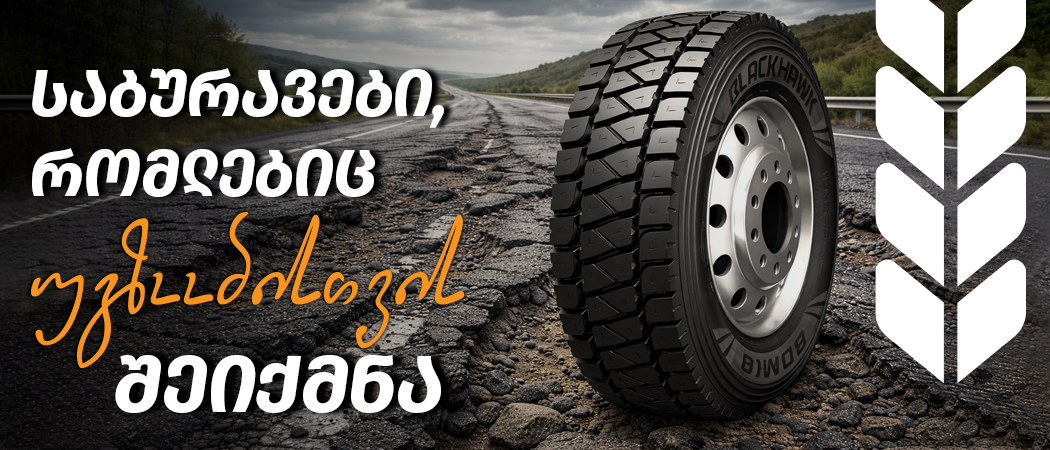
- Use winter tires - this is one of the most important factors to prevent wear, skidding on the road, and imbalance.
- Cooling system and antifreeze - always use quality antifreeze mixed according to the supplier’s instructions. If low-quality antifreeze or water is used, the risk of damage increases, efficiency decreases, and the transportation process may be put at risk.
Winter truck maintenance comes down to one simple rule: meet the challenge before it stops you on the road. Winter cold affects every part of the truck - the battery, fuel system, tires, air and cooling systems. What feels like a “minor inconvenience” in summer can turn into an unnecessary expense in winter. That’s why the best approach is preventive inspection before the season starts, and regular checks throughout winter.